
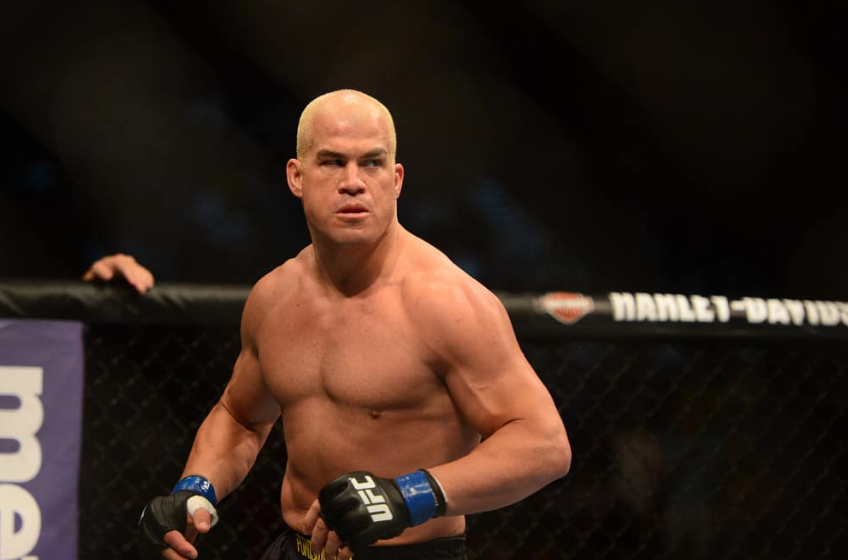
The Origin of Tito Ortiz: From Juvenile Hall to the UFC Light Heavyweight Throne
Juvenile hall. Heroin addicted parents. Selling fish at seven. How Tito Ortiz clawed his way to the UFC Light Heavyweight throne.
John Brooke
March 3, 2026
Before Jon Jones was picking up headlines for all the wrong reasons, before Conor McGregor was throwing dollies at buses, and before Sean Strickland was getting his mic cut there was Tito Ortiz. Tank Abbott may have been MMA's original villain, but Tito was the first guy to turn the heel role into a full blown empire. The vulgar t-shirts, the gravedigger celebration, flipping off entire training camps mid-fight he didn't just play the bad guy, he built a brand out of it and became one of the biggest pay-per-view draws in UFC history along the way. But here's the thing most people don't know. The "Huntington Beach Bad Boy" persona wasn't manufactured. Tito Ortiz didn't need to create a character. He lived one. And it started long before anyone handed him a pair of four ounce gloves.
Heroin, Juvenile Hall, and Selling Fish at Seven Years Old
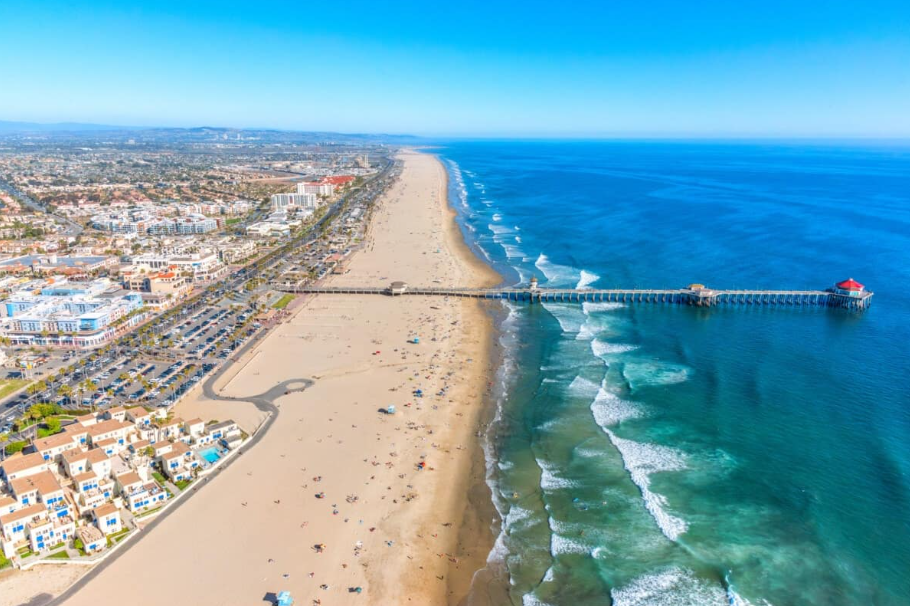
Jacob Christopher Ortiz was born on January 23, 1975, in Huntington Beach, California. His father, Samuel, was a carpenter of Mexican descent. His mother, Joyce, was a stay at home mom raising four boys. For the first five years of his life, things were relatively normal. Then his father went in for hernia surgery, got put on morphine, and came out of the hospital still in pain. His brother introduced him to heroin. That was the beginning of the end for the Ortiz household.
Both of Tito's parents became addicted to heroin. The family moved from Huntington Beach to Santa Ana when Tito was five, and from that point forward, his childhood was chaos. Gang culture. Drug use. Juvenile detention centers. By his own admission, Tito was using cocaine and PCP as a kid. Not experimenting using. The stability that most children take for granted didn't exist in his world.
At seven years old, Tito was catching and selling fish at a local pier to support himself. Most kids that age are learning to ride bikes. Tito was figuring out how to eat.
His parents eventually divorced when Tito was thirteen. His mother took him back to Huntington Beach to start over, and that move may have saved his life. Because without it, there's no wrestling career, no UFC championship, and no "Huntington Beach Bad Boy." There's just another kid who didn't make it out.
Wrestling Saved His Life That's Not a Cliché
Tito enrolled at Huntington Beach High School, and during his sophomore year, he started wrestling. It was the first time anything in his life had structure, discipline, and a clear path forward. And he wasn't just decent he was a natural. By his senior year, he won a CIF championship at 189 pounds and finished fourth in the California state tournament.
But the road between high school and the UFC wasn't a straight line. After graduating, Tito drifted. He was 19 when he ran into an old high school wrestling coach named Paul Herrera a future UFC fighter himself and an assistant coach at Golden West College. Herrera saw something in the kid and told him to enroll. That conversation changed everything.
At Golden West, Tito became a California junior college state champion and All American for two consecutive years. He transferred to Cal State Bakersfield, where he continued wrestling training alongside future NCAA champion Stephen Neal and, interestingly enough, a guy named Tank Abbott. Yes, that Tank Abbott. The bare knuckle brawler from the early UFC days was Tito's training partner in college.
It was Abbott who gave Tito his first taste of professional fighting.
[INTERNAL: Link to CageLore's Tank Abbott: The Original MMA Villain article]
Tito asked Tank to get him a fight, and on May 30, 1997, at UFC 13, a 22 year old kid from Santa Ana made his debut. He fought for free no contract, no prize money. Just a chance to see how good he could be. He stopped Wes Albritton in 31 seconds.
The MMA world had no idea what was about to hit it.
UFC 13 to the Title: The Rise of the Bad Boy
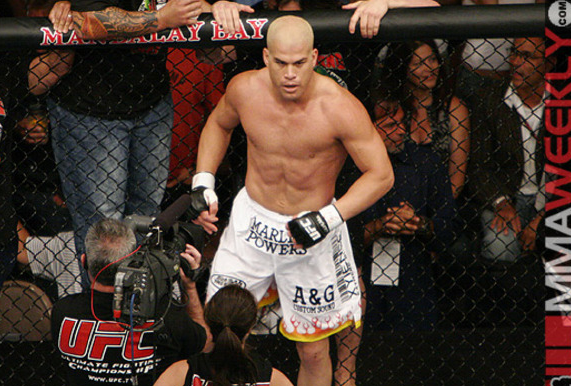
Tito's debut at UFC 13 was an amateur bout no pay, no guarantees. He won his first fight but lost in the tournament final to Guy Mezger by submission. It was a humbling introduction, but Tito didn't disappear. He came back, picked up wins over Jeremy Screeton and Jerry Bohlander, and then set up what would become one of the most famous rematches in early UFC history. Tito Ortiz vs. Guy Mezger II at UFC 19.
Tito won by TKO in the first round. And then he did something that would define the next decade of his career.
He flipped off the Lion's Den corner the legendary training camp led by Ken Shamrock, one of MMA's founding fathers. Then he pulled on a t-shirt that read "Gay Mezger Is My Bitch."
The MMA world lost its mind. The Lion's Den was the most respected fight team in the sport at the time. Shamrock nearly jumped into the cage. Referee John McCarthy had to physically intervene. Police were called. Tito was carried out of the building. And just like that, the UFC's most marketable villain had arrived. Tank Abbott had played the bad guy before him, but Tank was a brawler who didn't care about the spotlight. Tito craved it and he knew exactly how to use it.
But Tito wasn't just talk. In 1999, he challenged Frank Shamrock Ken's adopted brother for the UFC Middleweight Championship (later renamed Light Heavyweight) at UFC 22. He lost by submission in a grueling fight. It was a setback, but it wasn't the end. Frank retired and vacated the belt, and on April 14, 2000, at UFC 25, Tito Ortiz defeated Wanderlei Silva by unanimous decision to become the UFC Light Heavyweight Champion.
He held that belt for 1,260 days a record that stood for over a decade until Jon Jones surpassed it. During his reign, Tito defended the title five times, stopping guys like Yuki Kondo, Evan Tanner (in 32 seconds), Elvis Sinosic, and Vladimir Matyushenko. His ground and pound was relentless. His wrestling was suffocating. And his post-fight antics, the t-shirts, the gravedigger celebration, the trash talk, it all made him one of the most polarizing figures the sport had ever seen.
The T-Shirts, the Gravedigger, and the Birth of MMA Villainy
Let's talk about those t-shirts, because they're a huge part of Tito's legacy for better or worse.
After beating Jerry Bohlander at UFC 18, Tito put on a shirt that said "I Just F**ked Your Ass." After beating Mezger, it was "Gay Mezger Is My Bitch." After defending the title against Ken Shamrock at UFC 40, it was "I Killed Kenny, You Bastard" a South Park reference that the crowd actually loved. After the third Shamrock fight, it was "Punishing Him into Retirement."
And then there was the gravedigger. Tito's signature celebration involved miming the act of digging a grave for his opponent's career, complete with shoveling motions and pointing at his beaten foe. It was disrespectful, theatrical, and absolutely perfect for what the UFC needed at the time.
Love it or hate it, Tito understood something that most fighters of his era didn't. Personality sells fights. Guys like Tank Abbott had played the villain before but Tank's villainy was raw and unscripted. Tito turned it into a system. The t-shirts. The gravedigger. The press conference trash talk. He was the first UFC fighter to build a complete brand around being the bad guy, and it made him one of the biggest pay-per-view draws in the promotion's history. His 2006 fights against Chuck Liddell, Forrest Griffin, and Ken Shamrock made him the UFC's top PPV attraction that year. His third fight with Shamrock alone drew 5.7 million viewers on Spike TV a record that stood for over a year.
Without Tito Ortiz proving that drama sells, the UFC's entire promotional model would look different today. Every rivalry that followed Liddell vs. Couture, GSP vs. Bisping, Jones vs. Cormier, owes a debt to the guy who wore a vulgar t-shirt in the Octagon and had everyone talking about it.
Tito vs. Ken Shamrock: The Rivalry That Saved the UFC
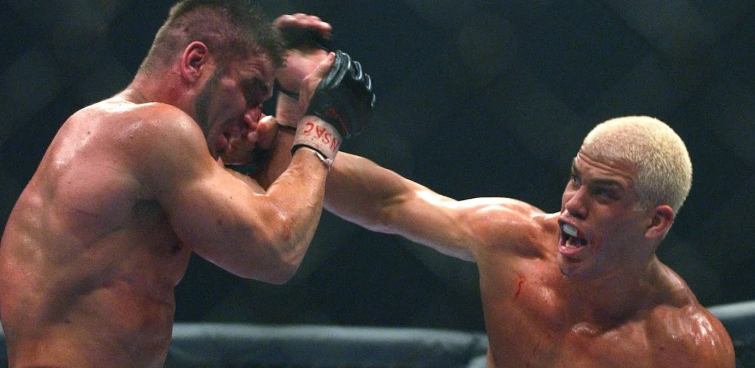
If you want to understand how important Tito Ortiz was to the UFC's survival, look at one fight. UFC 40 on November 22, 2002.
The UFC was broke. Hemorrhaging money. The Fertitta brothers had purchased the promotion in 2001 for $2 million, and it wasn't clear the investment would pay off. Then Tito Ortiz and Ken Shamrock agreed to fight, and everything changed.
The beef was real. It started at UFC 18 when Tito beat Shamrock's Lion's Den fighter Bohlander and disrespected the entire camp. It escalated at UFC 19 when Shamrock nearly jumped into the cage after the Mezger fight. For three years, the animosity built press conference confrontations, threats, genuine hatred. When they finally got in the cage together at UFC 40, the event sold out the MGM Grand Garden Arena. It was the first UFC sellout in Las Vegas history. The card did over 100,000 pay-per-view buys nearly tripling the previous record at a time when the promotion was on life support.
Tito dominated the fight. Shamrock landed early, but from that point on it was all ground-and-pound until Shamrock's corner threw in the towel after three rounds. Post-fight, Tito pulled on another t-shirt aimed at Shamrock, then eventually removed it and the two men embraced. It was one of the most significant moments in UFC history not just for the fight itself, but for what it meant commercially.
Ken Shamrock himself later admitted he saw the fight as a personal obligation to save the UFC. The rivalry worked exactly as intended, and the promotion survived.
They fought two more times Tito won both in the first round and coached against each other on Season 3 of The Ultimate Fighter, producing some of the most memorable reality TV moments in MMA history. The trilogy drew massive ratings every single time. It was the original UFC superfeud, and without it, the sport might not exist as we know it today.
Dana White: From Manager to Enemy
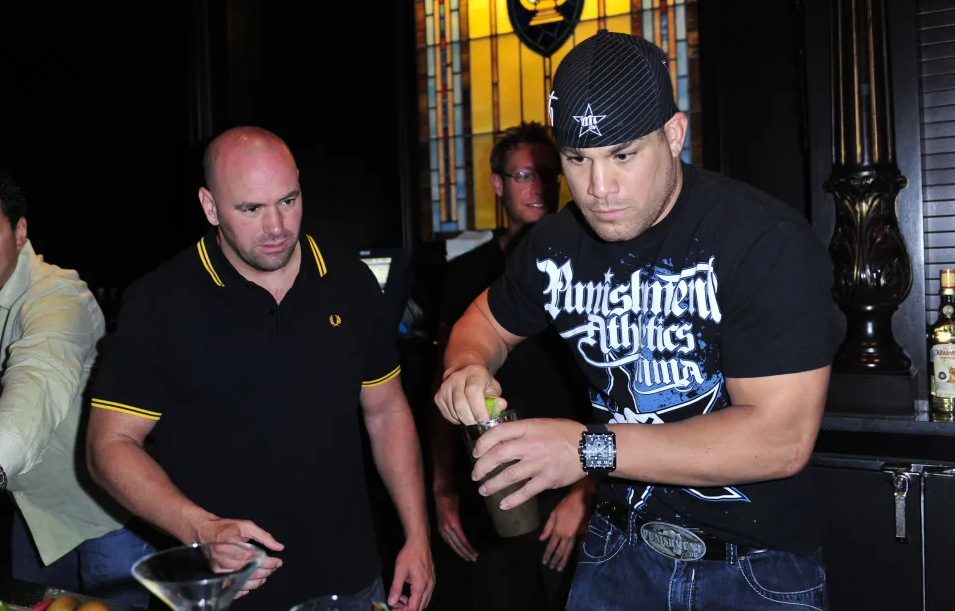
Here's a part of the Tito Ortiz story that doesn't get talked about enough. Dana White used to be his manager.
Before White became president of the UFC, he managed Tito's career in the late 1990s. He renegotiated Tito's contract, got him better money, and the two were genuinely close. There's a well known clip of someone daring Tito to kiss Dana on the lips and he did it. That's how tight they were.
Then the Fertitta brothers bought the UFC in January 2001, installed Dana as president, and everything changed. Tito was the reigning light heavyweight champion. He wanted more money and given that he was the promotion's biggest draw, the request wasn't unreasonable. But Dana, now wearing a different hat, couldn't (or wouldn't) meet his demands. The friendship curdled into one of the longest running feuds ever.
Tito lost his free event tickets. His name was removed from the UFC website. He was reportedly escorted out of a building for throwing t-shirts at fans. At one point, things got so heated that the two agreed to settle it in a three round boxing match. Dana actually got cleared by the Nevada State Athletic Commission and started training. Tito says the contract came back offering him zero pay despite a verbal agreement of 50/50 so he pulled out. Dana went on Spike TV and told the world Tito no showed because he was scared.
There was even a physical altercation on a private plane to Japan. Dana told the story on Conan O'Brien. Tito put him in a neck crank, wouldn't let go, so Dana started punching him in the ribs. A full blown fistfight broke out mid flight, and the Fertitta brothers had to separate them.
As recently as mid-2025, Tito publicly expressed a desire to bury the hatchet, admitting fault and saying he was "a different Tito Ortiz" back then. Dana's response? When asked his favorite moment in UFC history, he smiled and said "When Chuck Liddell knocked Tito Ortiz out."
Some feuds don't end.
The Record: 21-12-1 and a Hall of Fame Ring
Tito Ortiz's career MMA record stands at 21-12-1. In the UFC specifically, he went 15-11-1 across 27 fights. Those numbers don't jump off the page the way Jon Jones' 28-1 does but context matters.
Tito fought in an era when weight classes were still being figured out, when the UFC had no guaranteed contracts, and when the promotion nearly went bankrupt multiple times. He defended the light heavyweight title five times during a reign that lasted over three and a half years. He headlined some of the most commercially important events in UFC history. And he kept fighting through injuries, losing streaks, and organizational drama for over two decades.
His wins include names like Wanderlei Silva, Ken Shamrock (three times), Forrest Griffin, Ryan Bader, Chael Sonnen, and Stephan Bonnar. His losses came against some of the greatest to ever do it. Frank Shamrock, Randy Couture, Chuck Liddell (twice), Lyoto Machida, and Jon Jones.
On July 7, 2012, at UFC 148, Tito Ortiz was inducted into the UFC Hall of Fame the ninth fighter to receive the honor. His final UFC fight that same night was a loss to Forrest Griffin, but it earned Fight of the Night. Even at the end, Tito put on a show.
He continued fighting in Bellator after leaving the UFC, beating Alexander Shlemenko, Stephan Bonnar, and Chael Sonnen before losing a title fight to Liam McGeary. His final MMA bout was in 2019 for Combate Americas. He even tried boxing in 2021, losing to Anderson Silva by first round knockout. Some fighters just don't know how to stop.
Beyond the Cage: Politics, Fatherhood, and Legacy
After hanging up the gloves, Tito didn't fade away. He launched Punishment Athletics, a successful MMA clothing and equipment brand. He opened a training gym in Huntington Beach. He dabbled in acting appearing in Jet Li's Cradle 2 the Grave, Tyler Perry's Boo 2! A Madea Halloween, and even a Korn music video. He made a cameo in Zombie Strippers as a bouncer, which, if we're being honest, is perfect casting.
In 2020, he was elected to the Huntington Beach City Council and served as Mayor Pro Tempore. A kid who was in juvenile detention centers and selling fish at seven years old was now helping run a city of 200,000 people. Whatever you think of his politics, that's a wild arc.
But perhaps the most telling part of Tito's post-fighting life is his dedication to fatherhood. He has three sons Jacob from his first marriage, and twins Jesse and Journey with ex-girlfriend Jenna Jameson. After the relationship ended in 2013, Tito was granted full custody of the twins. He's spoken openly about his commitment to giving his kids the childhood he never had, calling it the hardest and most important thing he's ever done.
"I'm doing everything my father didn't do," Tito has said.
For a guy whose father introduced himself to heroin through a hospital visit, that statement carries weight.
Why Tito Ortiz Matters
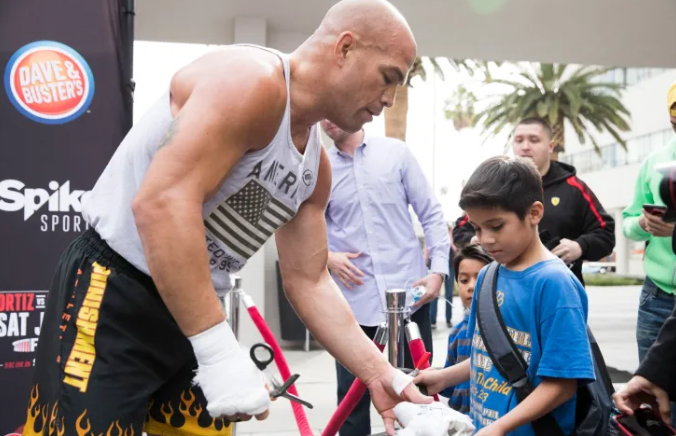
Tito Ortiz is not the greatest fighter in MMA history. His record won't tell you he was. But pound-for-pound, career-for-career, there might not be a more important fighter in the sport's history.
He was the UFC's first real star during its darkest financial period. His rivalry with Ken Shamrock literally kept the promotion afloat. He took the villain persona that guys like Tank Abbott had dabbled in and turned it into a commercial blueprint that every trash talking fighter since has borrowed from. He proved that personality, drama, and entertainment value were just as important as wins and losses in building a career a lesson that guys like Conor McGregor, Chael Sonnen, and Colby Covington would later take to the bank.
And he did it all coming from absolutely nothing. No money. No stable home. No advantages. Just a kid from the streets of Santa Ana who found wrestling, found fighting, and refused to let anyone count him out.
The Huntington Beach Bad Boy earned every bit of that nickname. But behind the t-shirts, the gravedigger, and the trash talk was a fighter who clawed his way from rock bottom to the top of a sport and helped build the entire promotion along the way. That's an origin story worth knowing.
Thanks for riding with CageLore. Stay locked in!
Frequently Asked Questions
What is Tito Ortiz's real name?
Tito Ortiz's birth name is Jacob Christopher Ortiz. His father gave him the nickname "Tito" when he was about a year old, and it stuck for the rest of his life and career.
How long did Tito Ortiz hold the UFC Light Heavyweight Championship?
Tito held the UFC Light Heavyweight title for 1,260 days from April 14, 2000 to September 26, 2003. He defended the belt five times during that reign, which was the longest in the division's history until Jon Jones surpassed it in 2013.
What is Tito Ortiz's MMA record?
Tito Ortiz's professional MMA record is 21-12-1. In the UFC specifically, he went 15-11-1 across 27 fights. He has 10 wins by KO/TKO, 5 by submission, and 6 by decision.
Why did Tito Ortiz and Dana White have a feud?
Dana White was originally Tito's manager before becoming UFC president in 2001. Their relationship soured when Tito held out for more money after UFC 40 in 2002. The dispute escalated into one of the longest feuds in UFC history, including a planned boxing match between the two that never happened and a physical altercation on a private plane.
What was Tito Ortiz's gravedigger celebration?
The gravedigger was Tito's signature post-fight celebration where he would mime digging a grave over his defeated opponent, symbolizing that he had buried their career. Combined with his custom t-shirts mocking opponents, it became one of the most iconic (and controversial) celebrations in UFC history.
Is Tito Ortiz in the UFC Hall of Fame?
Yes. Tito was inducted into the UFC Hall of Fame on July 7, 2012, at UFC 148, becoming the ninth member. He fought Forrest Griffin on the same card in what would be his final UFC bout.
Related Articles
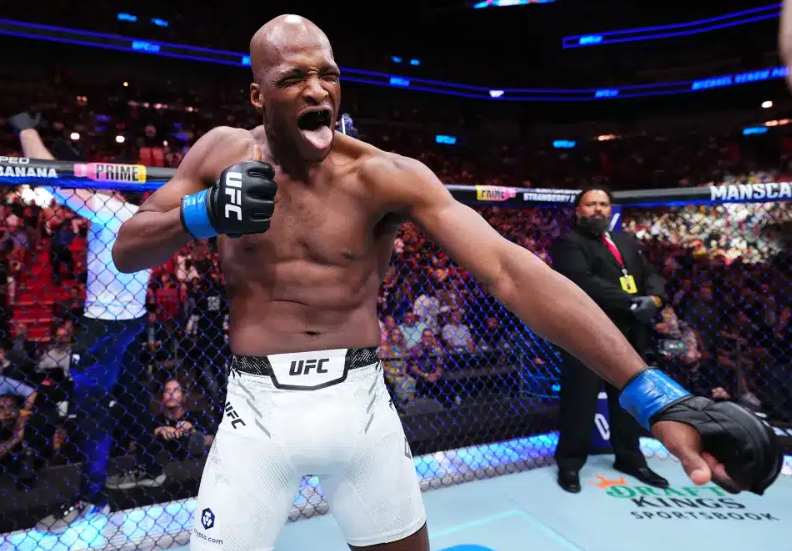
Michael 'Venom' Page Just Got Booed in His Own Country and Still Climbed the Rankings. His Story Is Way Crazier Than You Think
Michael 'Venom' Page started kung fu at three, won 10 world kickboxing titles, and turned down the Olympics. Now he's 4-1 in the UFC, climbing the welterweight rankings, and getting booed in his own country.
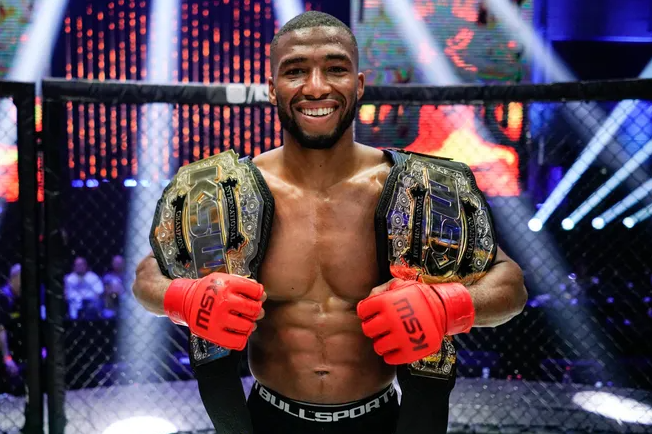
Who Is Salahdine Parnasse? KSW Double Champ Fighting on Netflix May 16
Baisangur Susurkaev: The Chechen Who Fought Twice in One Week and Won Both
Bro, I need to tell you about this dude because what he did last August might be the craziest week any fighter has ever had in the UFC.